AI in weather forecasting, prediction and communication
Continue reading


Weather impacts everything, including you.
Weather impacts everything, including you.
There’s no denying: weather is an incredibly impactful force. It influences every person and every business on the planet. Every day. As Mother Nature becomes increasingly volatile, you need a partner you can trust and solutions that will not only help you survive, but thrive, in the face of a changing climate.
Enter
The Weather Company
0+
meteorologists across the company drive confidence and innovation
And hold 185 patents that drive weather and societal progress
0x more
likely to have the most accurate forecast than any other provider1
Top 0
Most Trusted Brand in the U.S2
The Weather Channel is the only tech or media brand to hold this distinction
#0
downloaded weather app
The Weather Channel app has 3x more cumulative downloads than the closest competitor3

0B+
weather forecasts produced each day for 2.2B locations

0M+
consumers visit one of our digital properties each month4
0+
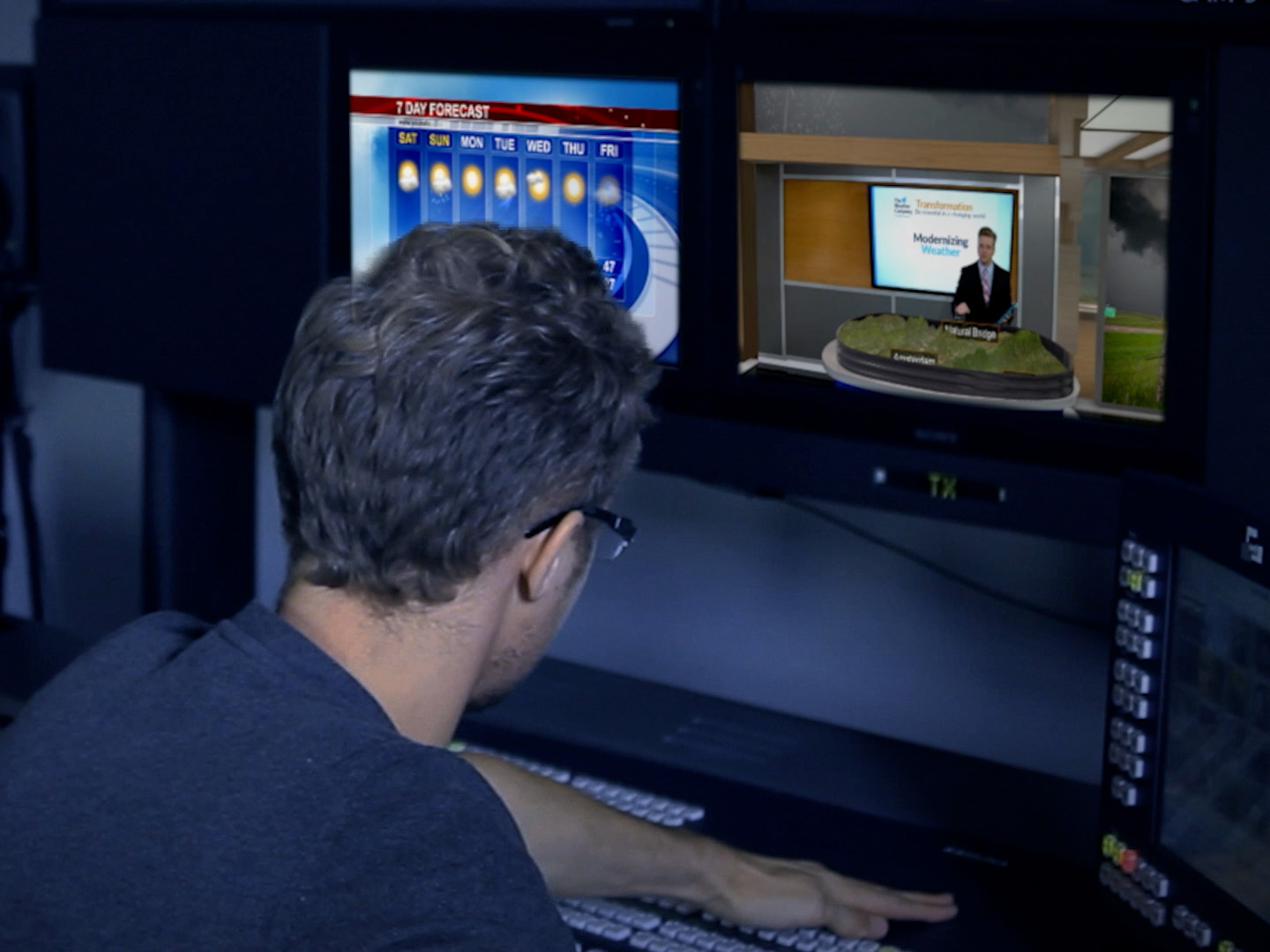
global broadcasters use our data and visualizations to engage their audiences5
0K+
enterprise customers leverage our weather insights to drive growth

0K
flights per day rely on us for safe passage and timing efficiencies5

Who we serve



Success stories

e.l.f.’s glow storm campaign delivers thunderous results
The cosmetics brand drove viral buzz by using weather-driven creative to position its products as reliable in any condition.
%
In brand awareness among women age 25-43
%
lift in purchase intent through sunny day creative


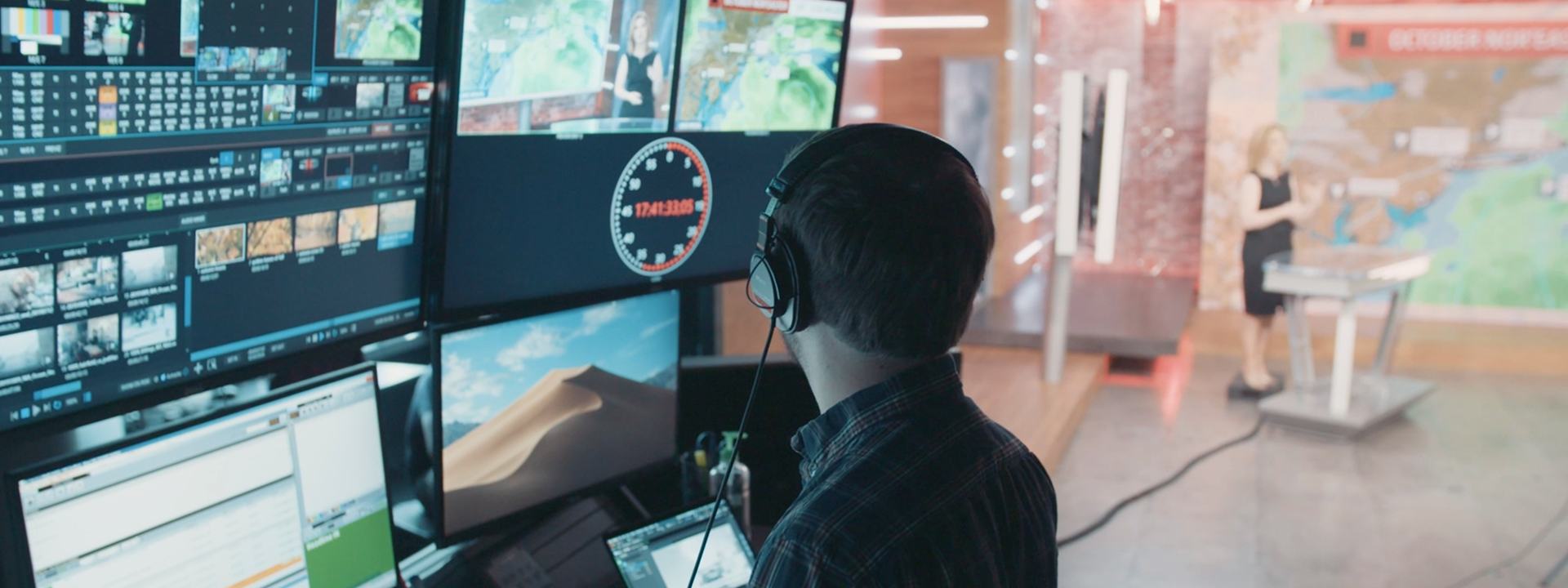
The weather moves fast, but AI is faster
Learn how WKRN swiftly pushes vital information to its audiences across digital platforms using Max Engage.
%
increase in mobile app traffic
X
increase in web page views

Keeping passengers safe and flight operations cost-effective with near real-time flight monitoring
To help flight dispatchers guide pilots and passengers to their destinations safely, EL AL enhanced its flight planning capabilities with Fusion.

Latest updates




Let’s talk
To learn more about harnessing the power of weather to make better, more informed decisions across industries, contact our experts today.
Contact us1 ForecastWatch, Global and Regional Weather Forecast Accuracy Overview, 2017-2022, commissioned The Weather Company
2 According to a Morning Consult May 2023 survey, The Weather Channel brand was the #9 most trusted brand in the US. The surveys were conducted from March 3, 2023 through April 3, 2023, among a nationally representative sample of 799 to 8,434 U.S. adults.
3 According to data.ai Intelligence, The Weather Channel has been the world’s most-downloaded weather app across Apple’s App Store and the Google Play store beginning on July 4, 2010 and into 2023
4 Based on the average of the total monthly (non-unique) users for Jan – June 2023 across The Weather Company digital properties and consumer products (weather.com, The Weather Channel app, Weather Underground app, wunderground.com, Storm iOS app, ) according to The Weather Company internal data
5 Based on The Weather Company internal client data